
Summer 2026
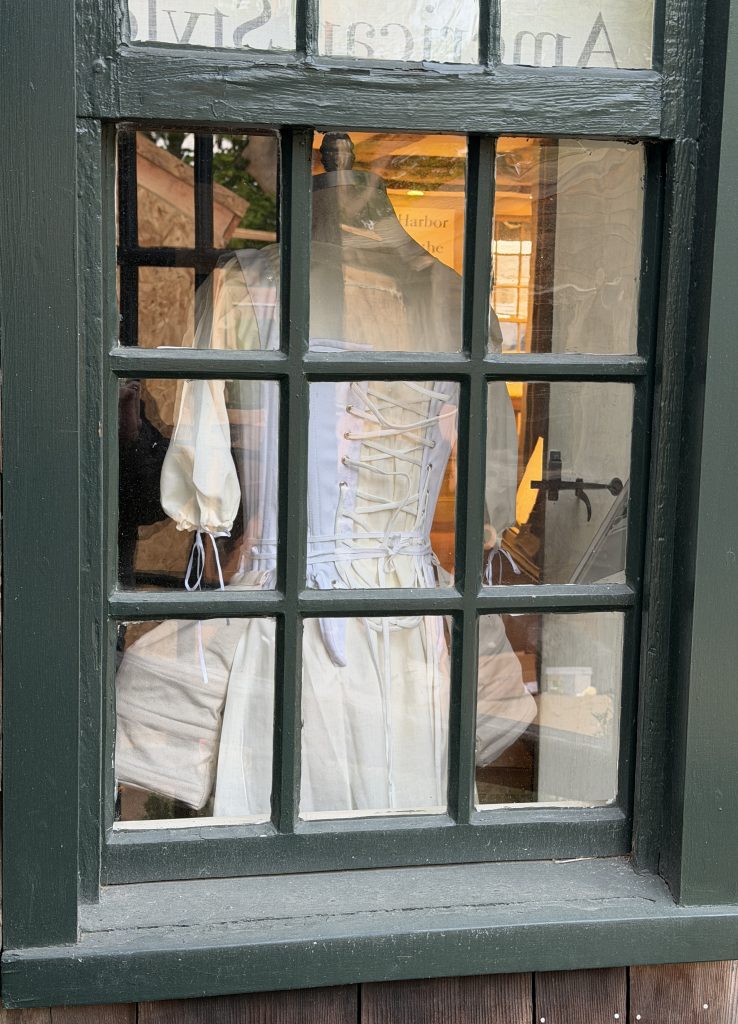
“The Revolution at Hand: Clothing, Work, and Daily Life in Sag Harbor”

This exhibition tells the story of Sag Harbor before, during, and after the American Revolution through objects, clothing, and the lived experiences of its residents. Using the Museum’s three galleries, the exhibition explores the Revolutionary years through nine different vignettes.
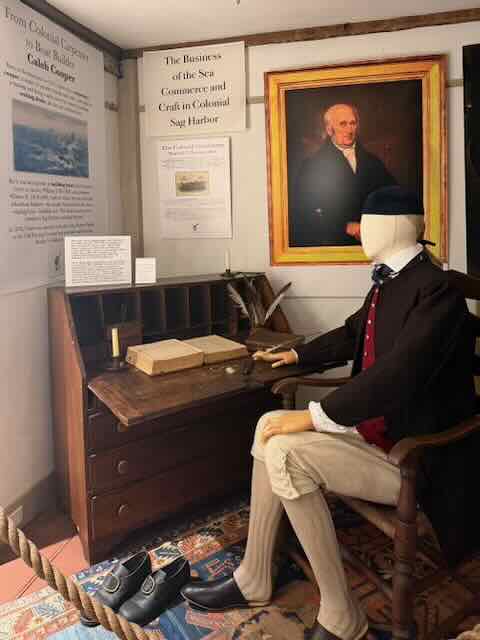
The Business of the Sea: Commerce and Craft in Colonial Sag Harbor explores Sag Harbor’s early maritime commerce and craft through figures such as Samuel L’Hommedieu, a colonial gentleman who helped develop the port, and Caleb Cooper, a carpenter and boatbuilder tied to the village’s thriving whaling industry.
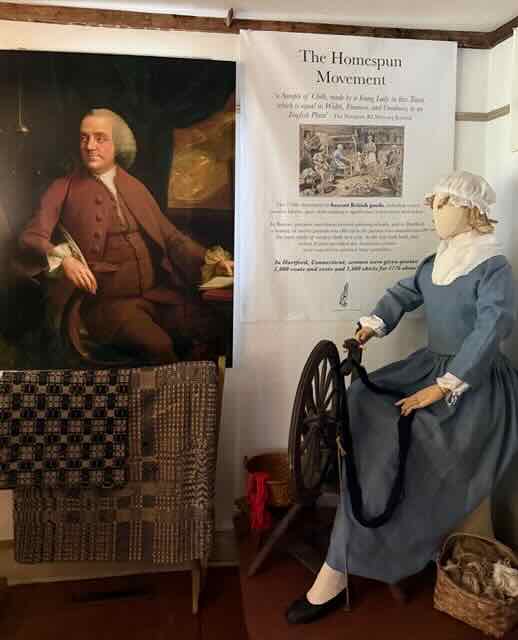
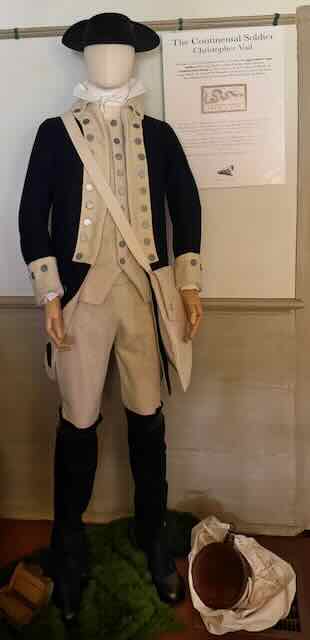
Clothing serves as a central thread throughout the Revolutionary era. Revolutionary Textiles highlight the women-led Homespun movement – where Americans boycotted British goods – and the political symbolism of dress. Continental Uniform tells the story of rope maker Christopher Vail, who became a Patriot privateer and participated in the famed Meigs Raid – The Battle of Sag Harbor
Turning Point examines the aftermath of the Battle of Long Island in August 1776, when British forces occupied Long Island for seven years, forcing residents to choose between remaining under occupation or living in exile in Connecticut.
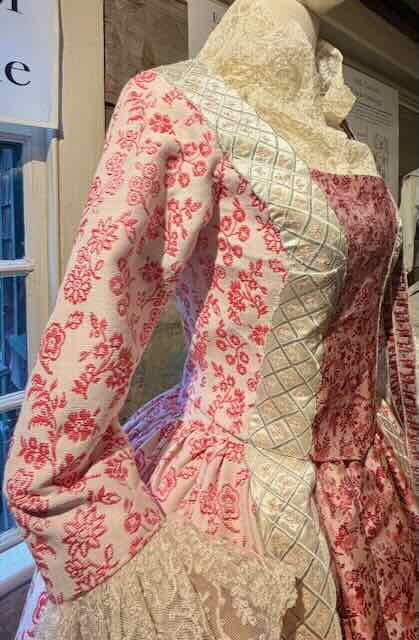
In Across the Atlantic the exhibition shows how American style was shaped by English and French fashion–featuring 18th-century garments and features a historical reproduction of a Robe a l’Anglaise by Nancy’s Tailoring.
In the postwar period, Enslaved and Free Lives considers the intertwined histories of Henry Packer Dering, Sag Harbor’s first customs inspector, and Hagar, an enslaved woman at the Custom House.
The exhibition concludes by tracing how Americans have commemorated 1776—from 1876 to 2026—through the perspectives of Sag Harbor High School students, showing how clothing, memory, and celebration continue to shape American identity.
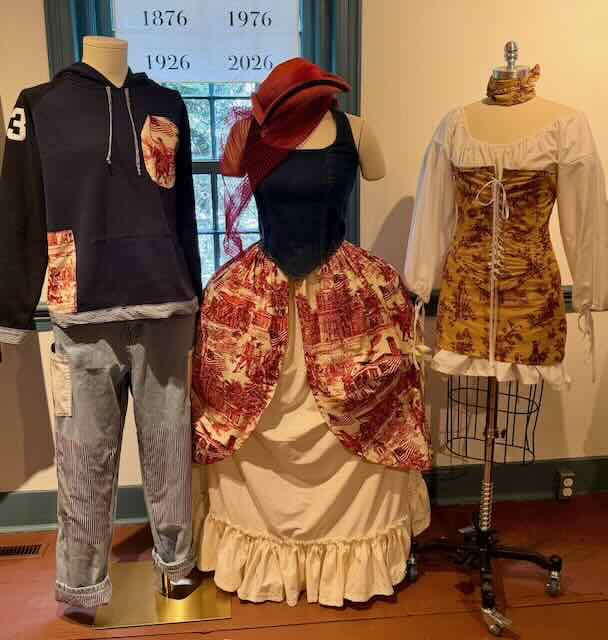
Recognizing that Sag Harbor’s revolutionary history is deeply interconnected with the wider East End of Long Island, curators Mary Jane Marcasiano and Alex McNear worked to secure loans from regional partners, including Sylvester Manor of Shelter Island, The Sag Harbor Custom House/Preservation Long Island, and East Hampton Historical Museum. Special thanks to Nancy’s Tailoring of Noyac, and Marcasiano’s Fashion Workshop, sponsored by the Reutershan Trust, in partnership with Sag Harbor Pierson High School and The Church.